The Best Dutch Water Sports: From Sailing to Surfing

The Best Dutch Water Sports: From Sailing to Surfing

The Netherlands is a country that is famous for its water sports. With over a quarter of the country lying below sea level, it’s no wonder that Dutch people have become experts in water-based activities. Whether you’re looking to sail, windsurf, kiteboard, stand-up paddleboard, or surf, there are plenty of fantastic options in the Netherlands. In this blog post, we will explore the best Dutch water sports, from sailing to surfing.

Sailing

ezgif.com-gif-maker (60)
Image source Google

Sailing is one of the most popular water sports in the Netherlands. With over 6,000 kilometers of coastline and countless lakes and rivers, there are plenty of excellent sailing locations in the country. Some of the best places to sail in the Netherlands include the IJsselmeer, the Wadden Sea, and the Zeeland waters. Sailing boats in the Netherlands range from small dinghies to large yachts, and there are plenty of sailing classes and courses available for all levels of experience.

Windsurfing

ezgif.com-gif-maker (61)
Image source Google

Windsurfing is another popular water sport in the Netherlands. The country’s flat landscapes and windy climate make it an ideal location for windsurfing enthusiasts. Some of the best places to windsurf in the Netherlands include Scheveningen, Brouwersdam, and Ouddorp. These locations offer ideal conditions for both beginners and experienced surfers.

Kiteboarding

ezgif.com-gif-maker (62)
Image source Google

Kiteboarding is a relatively new water sport in the Netherlands, but it has become very popular in recent years. The country’s beaches and strong winds make it an excellent location for kiteboarding enthusiasts. Some of the best kiteboarding locations in the Netherlands include the North Sea coast, IJsselmeer, and Grevelingen. There are plenty of kiteboarding schools and courses available in these locations for those looking to try this exciting sport.

Stand-Up Paddleboarding (SUP)

ezgif.com-gif-maker (63)
Image source Google

Stand-Up Paddleboarding (SUP) is a relatively new water sport in the Netherlands but has quickly gained popularity in recent years. The country’s numerous canals, lakes, and rivers offer the perfect location for this sport. Some of the best places to SUP in the Netherlands include the Amsterdam canals, Utrecht’s canals, and the Vecht river. Stand-up paddleboarding is an excellent way to explore the Dutch waterways while enjoying a great workout.

Surfing

ezgif.com-gif-maker (64)
Image source Google

Surfing may not be the first water sport that comes to mind when thinking of the Netherlands, but the country’s North Sea coast offers excellent surf conditions for both beginners and experienced surfers. Some of the best surfing locations in the Netherlands include Scheveningen, Zandvoort, and Texel. Dutch surf culture is also thriving, with plenty of surf schools and surf camps available for those looking to try this exciting sport.

Conclusion

In conclusion, the Netherlands is a fantastic destination for water sports enthusiasts, with plenty of options available for all levels of experience. Whether you’re looking to sail, windsurf, kiteboard, stand-up paddleboard, or surf, there are plenty of excellent locations in the country to explore. So, grab your wetsuit, pick your favorite water sport, and head to the Netherlands for an unforgettable experience on the water.

Let us know your requirements. Our experts will curate the perfect itinerary for you.

Our Blogs

The Best Markets in the Netherlands: From Flea Markets to Farmers’ Markets

The Best Markets in the Netherlands: From Flea Markets to Farmers' Markets

The Netherlands is famous for its vibrant market culture, and there is no better way to experience the country’s local life than by exploring its markets. From flea markets to farmers’ markets, street markets to specialty markets, there is something for everyone. Here’s our guide to the best markets in the Netherlands.

Flea Markets

ezgif.com-gif-maker (53)
Image source Google

Flea markets are popular in the Netherlands, and they are a great place to find unique vintage items and second-hand goods. The Waterlooplein Market in Amsterdam is one of the most popular flea markets in the country. Here, you can find everything from vintage clothing to antiques, books, and even musical instruments. Another popular flea market in Amsterdam is the IJ-Hallen. This market takes place once a month and is the largest flea market in Europe, with over 750 stands.

If you’re looking for a unique shopping experience, head to the Vrijmarkt in Utrecht. This flea market takes place on King’s Day, which is celebrated every year on April 27th. During this day, people sell their second-hand goods on the streets, creating a massive market that stretches throughout the city.

Farmers' Markets

ezgif.com-gif-maker (54)
Image source Google

Farmers’ markets are another staple of Dutch culture. These markets sell locally sourced produce, including fresh fruits and vegetables, bread, cheese, and meat. Noordermarkt in Amsterdam is one of the best farmers’ markets in the country. Here, you can find a wide range of organic products, including fresh fruits and vegetables, bread, cheese, and meat. The market takes place every Saturday, and it’s the perfect place to stock up on delicious local produce.

Another great farmers’ market is the Rotterdamse Oogst, which takes place on the first Saturday of every month in Rotterdam. This market has a fantastic range of fresh produce, including vegetables, fruit, dairy, and meat. It also has a range of street food stalls and live music.

Specialty Markets

ezgif.com-gif-maker (55)
Image source Google

The Netherlands is also home to some fantastic specialty markets, where you can find unique products that you won’t find anywhere else. The Albert Cuypmarkt in Amsterdam is one such market. It’s a bustling street market that sells everything from clothing to flowers, jewelry, and food. It’s a great place to pick up souvenirs and gifts to take home with you.

If you’re a fan of flowers, the Bloemenmarkt in Amsterdam is a must-visit. This floating flower market is located on the Singel Canal and sells a wide range of flowers and plants. It’s the perfect place to pick up a bouquet of fresh flowers to brighten up your day.

Cheese lovers won’t want to miss the Cheese Market in Alkmaar. This market takes place every Friday during the summer months and is a celebration of all things cheese. You can watch cheese-making demonstrations and sample different types of cheese.

Street Markets

ezgif.com-gif-maker (57)
Image source Google

Street markets are another essential part of Dutch culture, and they’re a great place to soak up the atmosphere and see the locals going about their daily lives. The Dappermarkt in Amsterdam is one of the best street markets in the country. It’s a multicultural market that sells a wide range of products, including clothing, food, and household goods.

If you’re visiting Maastricht, be sure to check out the Markt. This market takes place every Wednesday and Friday and is located in the historic town center. It’s a great place to buy fresh produce and local specialties.

Finally, the Grote Markt in Groningen is another must-visit street market. This market takes place every Tuesday, Friday, and Saturday and is located in the heart of the city. It’s a bustling market that sells everything from clothing to food, flowers, and souvenirs. It’s the perfect place to soak up the atmosphere and experience the local culture.

In conclusion, the Netherlands is a country with a rich market culture, and exploring its markets is a fantastic way to experience local life. Whether you’re looking for vintage clothing, fresh produce, or unique souvenirs, there is a market in the Netherlands for you. So, put on your walking shoes and get ready to explore the best markets in the country!

Let us know your requirements. Our experts will curate the perfect itinerary for you.

Our Blogs

Dutch Architecture: From Traditional to Modern

Dutch Architecture: From Traditional to Modern

The Netherlands is known for its rich history and cultural heritage, and its architecture reflects that. From traditional buildings to modern structures, Dutch architecture has evolved over the centuries, showcasing various styles and influences. In this blog, we will take a journey through Dutch architecture, exploring its evolution from traditional to modern.

ezgif.com-gif-maker (47)
Image source Google

Traditional Dutch Architecture:


Traditional Dutch architecture is characterized by simple and functional designs, reflecting the country’s practical nature. This style features steep gabled roofs, large windows, and brick facades. Examples of traditional Dutch buildings include the 17th-century Canal Houses in Amsterdam and the Dutch farmhouses found throughout the countryside.

ezgif.com-gif-maker (48)
Image source Google

Dutch Renaissance Architecture:


The Dutch Renaissance style was prevalent during the 16th and 17th centuries, and it drew inspiration from Italian Renaissance architecture. This style is characterized by ornate facades, tall windows, and intricate carvings. Examples of Dutch Renaissance architecture include the Royal Palace in Amsterdam and the Town Hall in Middelburg.

ezgif.com-gif-maker (49)
Image source Google

Dutch Baroque Architecture:


The Dutch Baroque style emerged in the 17th century and is characterized by its grandeur and opulence. This style is characterized by its elaborate ornamentation, dramatic use of light and shadow, and curves and twists in its design. Examples of Dutch Baroque architecture include the Royal Palace in The Hague and the Amsterdam City Hall.

ezgif.com-gif-maker (50)
Image source Google

Modern Dutch Architecture:


Modern Dutch architecture is characterized by its innovative designs and use of new materials and technology. The style emphasizes functionality and simplicity, with a focus on sustainability and environmental friendliness. Examples of modern Dutch architecture include the Rotterdam Market Hall and the Ziggo Dome in Amsterdam.

In conclusion, Dutch architecture is a reflection of the country’s rich history and culture, with each style showcasing different influences and characteristics. From traditional buildings to modern structures, Dutch architecture has evolved over time, reflecting the country’s practicality, grandeur, and innovation. Whether you’re a history buff, an architecture enthusiast, or simply curious about Dutch culture, exploring Dutch architecture is a must-do experience. So, take a walk around the cities or countryside, and appreciate the beauty and diversity of Dutch architecture.

Let us know your requirements. Our experts will curate the perfect itinerary for you.

Our Blogs

The Best Road Trips in the Netherlands: From the Dutch Coast to the Veluwe Forest”

The Best Road Trips in the Netherlands: From the Dutch Coast to the Veluwe Forest"

The Netherlands, with its picturesque landscape and unique culture, is a country that’s perfect for road trips. With a plethora of destinations to choose from, planning a Dutch road trip can be overwhelming. Therefore, we have compiled a list of the best road trips in the Netherlands to help you make the most of your trip.

North-Coast-500-Scotland--009
Image source Google

Dutch Coast Road Trip:

The Dutch coast is one of the country’s top attractions, and it’s not hard to see why. The route from The Hague to Groningen is 350 km long and takes you through some of the most stunning coastal scenery in the country. The journey passes through quaint villages such as Egmond aan Zee and Zandvoort, where you can explore charming shops and cafes. The famous Delta Works in Zeeland, a series of dams and barriers, are also worth visiting. The recommended time frame for this trip is three to four days.

autumn-1984352_1920-1
Image source Google

Utrecht to the Veluwe Forest Road Trip:

The Utrecht to the Veluwe Forest road trip is a 200 km route that takes you through some of the most beautiful landscapes in the country. This route is perfect for those who love nature, as it passes through the picturesque Veluwe Forest, the largest forest in the Netherlands. The forest is home to diverse flora and fauna, including deer and boars. The route also passes through Amersfoort, a charming medieval town. The recommended time frame for this trip is two to three days.

ezgif.com-gif-maker (43)
Image source Google

Amsterdam to Rotterdam Road Trip:

The Amsterdam to Rotterdam route is perfect for those who enjoy city life. The 80 km journey takes you through some of the Netherlands’ most iconic cities, including Amsterdam, Haarlem, and Rotterdam. These cities offer an abundance of museums, shopping, and culinary experiences. You’ll also drive through the scenic countryside, which is dotted with windmills and farmhouses. The recommended time frame for this trip is two days.

ezgif.com-gif-maker (44)
Image source Google

Maastricht to Groningen Road Trip:

The Maastricht to Groningen route takes you through the southern and northern regions of the Netherlands, covering a distance of 400 km. This route takes you through some of the most historic cities, including Maastricht, Utrecht, and Groningen. You’ll also pass through the charming countryside and picturesque towns such as Giethoorn, also known as the “Venice of the North.” The recommended time frame for this trip is four to five days.

In conclusion, the Netherlands has much to offer for those seeking a road trip adventure. Whether you prefer a coastal journey, a forest trek, or a city tour, the Netherlands has something for everyone. These road trip itineraries will undoubtedly provide you with a glimpse into the country’s rich culture, history, and natural beauty. Plan your trip today and embark on an unforgettable adventure!

Let us know your requirements. Our experts will curate the perfect itinerary for you.

Our Blogs

The Best Festivals in the Netherlands: From King’s Day to the Holland Festival

The Best Festivals in the Netherlands: From King's Day to the Holland Festival

The Netherlands is a country with a rich cultural history, and one of the best ways to experience its unique traditions and customs is through attending festivals. From the colorful and lively King’s Day to the sophisticated Holland Festival, there’s a festival in the Netherlands for every type of traveler. In this blog, we’ll explore some of the best festivals in the Netherlands and why you should add them to your bucket list.

ezgif.com-gif-maker (41)
Image source Google

First on our list is King’s Day, a national holiday celebrated on April 27th to honor the birthday of the King. It’s a day where the streets come alive with bright orange outfits, music, and traditional activities such as flea markets, street parties, and boat parades. The festive atmosphere is infectious, and it’s a great way to experience Dutch culture at its finest.

Next, we have the Rotterdam Summer Carnival, an event that celebrates the city’s diversity and multiculturalism. It’s a parade of colorful costumes, music, and dance that brings people from different backgrounds together in a fun and inclusive way. The Carnival is an expression of Rotterdam’s pride and uniqueness as a city and is a must-visit for anyone looking for a unique festival experience.

ezgif.com-gif-maker (39)
Image source Google

For music lovers, Amsterdam Dance Event (ADE) is the festival to attend. It’s the biggest electronic dance music (EDM) festival in the world and attracts over 400,000 visitors from around the globe. The festival takes place in various venues throughout Amsterdam, and attendees can expect to dance the night away to the hottest DJs in the industry.

ezgif.com-gif-maker (38)
Image source Google

The Holland Festival is the oldest and most prestigious performing arts festival in the Netherlands. It showcases world-class theater, music, dance, and opera performances in some of Amsterdam’s most iconic venues. The festival has a long and storied history, having been founded in 1947, and is known for pushing boundaries and presenting daring and avant-garde works.

ezgif.com-gif-maker (40)
Image source Google

Another music festival worth attending is the North Sea Jazz Festival. It’s one of the biggest jazz festivals in the world and attracts some of the biggest names in the industry. The festival takes place in Rotterdam and is a three-day event that features over 1,000 artists across 15 stages.

Last but not least, we have the Tilburgse Kermis, which is the largest funfair in the Benelux. The fair takes place in Tilburg and features over 230 attractions and rides, making it a perfect family-friendly festival. The fair has a long history, dating back to the 16th century, and is a beloved tradition in the Netherlands.

In conclusion, the Netherlands is a festival destination like no other. From the colorful and lively King’s Day to the sophisticated Holland Festival, there’s something for everyone. These festivals offer a unique way to experience Dutch culture and traditions and are a must-visit for anyone traveling to the Netherlands. So, pack your bags, grab your camera, and get ready for an unforgettable festival experience in the Netherlands.

Let us know your requirements. Our experts will curate the perfect itinerary for you.

Our Blogs

Exploring Dutch Cuisine: From Bitterballen to Stroopwafels

Exploring Dutch Cuisine: From Bitterballen to Stroopwafels

The Netherlands is famous for its beautiful tulips, picturesque canals, and rich cultural heritage. However, Dutch cuisine is often overlooked by visitors. The truth is that Dutch food is delicious, comforting, and worth exploring. From bitterballen to stroopwafels, Dutch cuisine has something for everyone. In this blog post, we’ll explore some of the best dishes, sweets, and drinks that the Netherlands has to offer.

Traditional Dutch Foods

ezgif.com-gif-maker (34)
Image source Google

Bitterballen are a classic Dutch bar snack made with beef ragout and deep-fried until crispy. These bite-sized balls are often served with mustard and are perfect for sharing with friends. Another classic Dutch dish is stamppot, a hearty meal made with mashed potatoes and vegetables, often served with sausage or bacon. Haring (herring) is a raw or pickled fish that’s a popular street food in the Netherlands, especially during the summer months. Poffertjes are small, fluffy pancakes often served with powdered sugar and butter. And of course, Dutch cheese is a staple of the country’s cuisine, with varieties such as Gouda and Edam being famous worldwide.

Dutch Sweets and Snacks

poffertjes-wandering-bird
Image source Google

No discussion of Dutch cuisine would be complete without mentioning stroopwafels. These thin, chewy waffle cookies are filled with caramel syrup and are a favorite snack among locals and tourists alike. Speculaas is another sweet treat that’s popular around the holidays. It’s a spiced cookie that’s often shaped like a windmill or a Dutch boy or girl. Drop (licorice) is a candy that’s loved by the Dutch, although its strong flavor can be an acquired taste. Oliebollen are deep-fried dough balls that are traditionally eaten around New Year’s Eve, often topped with powdered sugar. Finally, appeltaart is a traditional Dutch apple pie made with a buttery crust and cinnamon.

Dutch Drinks

ezgif.com-gif-maker (35)
Image source Google

When it comes to drinks, Jenever is a Dutch spirit that’s similar to gin, often drunk as a shot or mixed into a cocktail. The Netherlands also has a long history of beer brewing, with popular brands such as Heineken and Grolsch being enjoyed around the world. Hot chocolate is another beloved beverage in the Netherlands, and the Dutch are known for their rich and creamy version, often served with whipped cream.

Modern Dutch Cuisine

ezgif.com-gif-maker (36)
Image source Google

Dutch cuisine has evolved in recent years, with chefs taking inspiration from other cultures and experimenting with new ingredients and techniques. For example, kapsalon is a Middle Eastern-inspired fast food dish that’s become popular in the Netherlands, while Dutch-Indonesian fusion cuisine combines Dutch and Indonesian flavors. Vegetarian and sustainable dining has also become more popular in the Netherlands, with restaurants offering creative meat-free dishes that are both delicious and environmentally friendly.

Conclusion

Dutch cuisine may not be as well-known as French or Italian food, but it’s just as delicious and worth exploring. From bitterballen to stroopwafels, Dutch cuisine has a lot to offer, and there’s something for everyone. Whether you’re a fan of savory snacks or sweet treats, traditional dishes or modern cuisine, the Netherlands has it all. So the next time you visit this beautiful country, be sure to try some of the local specialties – you won’t be disappointed!

Let us know your requirements. Our experts will curate the perfect itinerary for you.

Our Blogs

The Best Things to Do in Amsterdam: Museums, Canals, and More

The Best Things to Do in Amsterdam: Museums, Canals, and More

Amsterdam is a city with a rich cultural heritage and a vibrant modern scene. Known for its canals, museums, and lively nightlife, Amsterdam is a popular tourist destination for travelers from around the world. In this guide, we’ll explore the best things to do in Amsterdam, from museums and canals to parks, nightlife, and more.

Top Museums in Amsterdam

Amsterdam is home to some of the world’s most famous and renowned museums, attracting millions of visitors each year. Here are some of the top museums in Amsterdam that are definitely worth a visit:

ezgif.com-gif-maker (28)
Image source Google
  1. Rijksmuseum: The Rijksmuseum is the Netherlands’ national museum, and it’s home to an extensive collection of Dutch art and history. The museum has over 8,000 objects on display, including works by famous Dutch painters such as Rembrandt, Vermeer, and Frans Hals. The most famous painting in the collection is undoubtedly Rembrandt’s Night Watch, a must-see for any visitor to the museum.
  2. Van Gogh Museum: The Van Gogh Museum is dedicated to the life and work of Vincent Van Gogh, one of the most famous artists of all time. The museum has the largest collection of Van Gogh’s paintings and drawings in the world, including iconic works like Sunflowers, The Potato Eaters, and Starry Night. The museum also has a collection of letters written by Van Gogh, providing insight into his personal life and artistic vision.
  3. Anne Frank House: The Anne Frank House is a museum dedicated to the life of Anne Frank, a young Jewish girl who kept a diary during World War II. The museum is located in the house where Anne and her family hid from the Nazis for two years, and visitors can see the secret annex where they lived. The museum provides a moving and poignant insight into the Holocaust and the human cost of war.
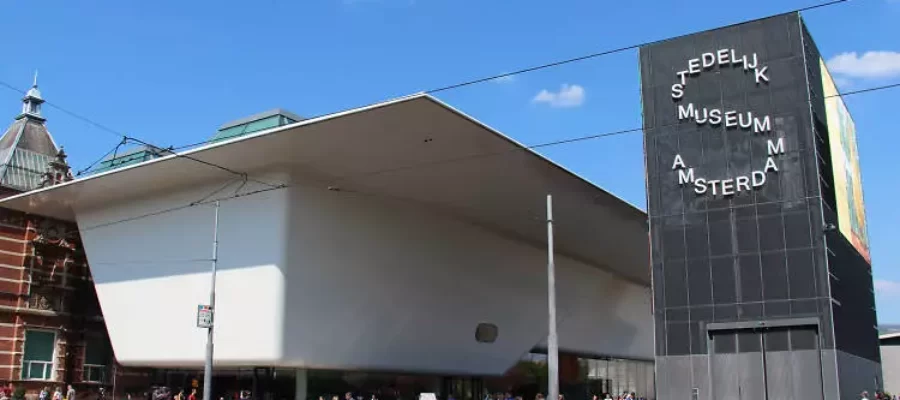
  4. Stedelijk Museum: The Stedelijk Museum is Amsterdam’s museum of modern and contemporary art. The museum’s collection includes works by famous artists such as Piet Mondrian, Kazimir Malevich, and Andy Warhol, as well as contemporary artists like Jeff Koons and Marlene Dumas. The museum also has an impressive collection of design objects, including furniture, ceramics, and textiles.
  5. Hermitage Amsterdam: The Hermitage Amsterdam is a branch of the famous Hermitage Museum in St. Petersburg, Russia. The museum hosts temporary exhibitions of art and artifacts from the Hermitage collection, including works by artists like Rembrandt, Rubens, and Velázquez. The museum also has a collection of objects from the Russian Imperial Court, providing a fascinating glimpse into Russian history and culture.

Exploring Amsterdam's Canals

426_fullimage_keizersgracht in amsterdam © jjhv via istock
Image source Google

Amsterdam’s canals are world-famous and are a must-see for any visitor to the city. The canals were created in the 17th century to improve transportation and trade, and they have since become a UNESCO World Heritage Site. Here are some of the best ways to explore Amsterdam’s canals:

  1. Take a Canal Cruise: One of the best ways to see Amsterdam’s canals is to take a canal cruise. There are many companies that offer guided tours, ranging from basic sightseeing trips to dinner cruises and even cocktail tours. A canal cruise is a great way to see the city from a different perspective, and the guides will provide interesting insights into the history and architecture of the canal houses.
  2. Walk Along the Canals: Another great way to explore Amsterdam’s canals is to simply walk along them. The canal belt is home to many picturesque streets and bridges, and there are plenty of opportunities for taking photos. Walking is a great way to get a sense of the city’s layout and to discover hidden gems that you might not see from a boat.
  3. Rent a Boat: For those who want to explore the canals on their own, renting a boat is a great option. There are several companies that rent out small motorboats, electric boats, or even pedal boats, which allow visitors to explore the canals at their own pace. Just make sure to follow the rules and stay within the designated canal areas.
  4. Visit the Canal Museums: Amsterdam has several museums that are dedicated to the history and culture of the canals. The Canal House Museum provides insight into the lives of wealthy Amsterdam residents during the Golden Age, while the Amsterdam Pipe Museum explores the city’s tobacco trade. The Museum of the Canals offers interactive exhibits on the history and construction of the canals.
  5. Enjoy a Canal-Side Drink: Finally, one of the best ways to experience Amsterdam’s canals is to simply sit back and enjoy a drink at one of the many canal-side cafes and bars. Whether it’s a coffee, beer, or cocktail, there’s nothing quite like sipping a drink while watching the boats go by.

Exploring Amsterdam’s canals is a must-do activity for any visitor to the city. Whether you choose to take a guided tour, rent a boat, or simply stroll along the water, you’re sure to be captivated by the beauty and history of these iconic waterways.

Amsterdam's Famous Parks and Gardens

ezgif.com-gif-maker (29)
Image source Google

Amsterdam is a city that values green spaces, and there are many beautiful parks and gardens to explore. Vondelpark is the city’s most famous park, with lakes, gardens, and even an open-air theater. Amsterdamse Bos is a vast forested area that’s perfect for cycling or hiking, while Hortus Botanicus is a botanical garden that’s home to an impressive collection of exotic plants.

Experience Amsterdam’s Nightlife
Amsterdam’s nightlife scene is legendary, with something to suit every taste. From trendy cocktail bars to lively nightclubs and music venues, there’s always something going on in Amsterdam after dark. The city’s Red Light District is also a popular destination for those looking for a more risqué evening out.

Discover Amsterdam’s Best Shopping Areas
If shopping is your thing, Amsterdam won’t disappoint. The Nine Streets is a picturesque shopping district that’s home to a range of boutiques, vintage stores, and specialty shops. Kalverstraat is Amsterdam’s main shopping street, with a mix of high-end stores and affordable brands, while De Bijenkorf is a luxury department store that’s a must-visit for fashion lovers.

Visit Amsterdam's Off-the-Beaten-Path Attractions

754dc07f-fb9b-49e7-913c-dca58d0fdf53
Image source Google

While the most famous attractions in Amsterdam are definitely worth a visit, the city also has many unique and lesser-known attractions that are worth seeking out. The NDSM Wharf is a former shipyard that’s been transformed into a creative hub, with art installations, bars, and restaurants. Micropia is a museum dedicated to microbes and the role they play in our lives, while the Electric Ladyland Museum is a museum of fluorescent art that’s unlike anything else you’ll see in Amsterdam.

Taste Amsterdam's Culinary Delights

ezgif.com-gif-maker (30)
Image source Google

No visit to Amsterdam is complete without trying some of the city’s famous culinary delights. Traditional Dutch dishes like bitterballen (deep-fried meatballs) and stroopwafels (caramel-filled waffle cookies) are must-tries, while international cuisine is also well-represented in Amsterdam. Street food is a popular option for those on the go, with food trucks and stalls serving up everything from falafel to Vietnamese pho.

Let us know your requirements. Our experts will curate the perfect itinerary for you.

Our Blogs

A Comprehensive Guide to the Netherlands: Top Cities, Regions, and Attractions

A Comprehensive Guide to the Netherlands: Top Cities, Regions, and Attractions

The Netherlands, also known as Holland, is a country located in Northwestern Europe. It is known for its windmills, tulips, canals, and cycling culture. In this guide, we’ll explore the top cities, regions, and attractions that you don’t want to miss.

Top Cities to Visit in the Netherlands

Amsterdam

Overview-Amsterdam
Image source Google

Amsterdam is the capital city of the Netherlands, known for its picturesque canals, historic architecture, vibrant culture, and liberal attitudes. Founded in the 12th century, the city grew in importance during the Dutch Golden Age, becoming a hub for international trade, finance, and culture. Today, Amsterdam is home to numerous museums, galleries, and theaters showcasing art, history, and performance, and is a popular tourist destination with a wide range of restaurants, cafes, bars, and nightlife options. The city’s liberal attitudes are also a notable feature, with progressive policies towards social issues such as LGBTQ+ rights and drug policy, and a reputation for openness and tolerance.

Rotterdam

ezgif.com-gif-maker (22)
Image source Google

Rotterdam is a city located in the province of South Holland in the Netherlands, known for its modern architecture, busy port, and vibrant cultural scene. It is the second-largest city in the country and home to Europe’s largest seaport. The city was heavily bombed during World War II, leading to a significant rebuild and resulting in its contemporary architecture. Rotterdam is also a center for art, music, and festivals, with numerous museums, galleries, theaters, and performance venues. Overall, Rotterdam is a bustling and innovative city, with a dynamic mix of history and modernity.


The Hague

ezgif.com-gif-maker (23)
Image source Google

The Hague, also known as Den Haag, is a city located in the province of South Holland in the Netherlands, and is the seat of the Dutch government and home to many international organizations. The city is known for its international character, historic architecture, and cultural attractions, including numerous museums, theaters, and galleries. The Hague is also home to many diplomatic missions and the International Court of Justice, making it an important center for international law and diplomacy. The city is located on the coast and has several beaches, as well as a large forest and park area. Overall, The Hague is a cosmopolitan city with a mix of politics, history, and culture.


Utrecht

ezgif.com-gif-maker (24)
Image source Google

Utrecht is a city located in the central part of the Netherlands, known for its historic architecture, picturesque canals, and vibrant cultural scene. It is the fourth-largest city in the Netherlands, with a population of approximately 357,000 people. Utrecht is home to several universities and research institutes, making it a hub for academic and scientific advancement. The city’s rich history is evident in its numerous museums, including the Centraal Museum and the Museum Catharijneconvent. Utrecht is also a popular destination for tourists, offering a variety of restaurants, cafes, and shops, as well as a bustling nightlife. Overall, Utrecht is a dynamic and cosmopolitan city with something for everyone to enjoy.

Maastricht

ezgif.com-gif-maker (25)
Image source Google

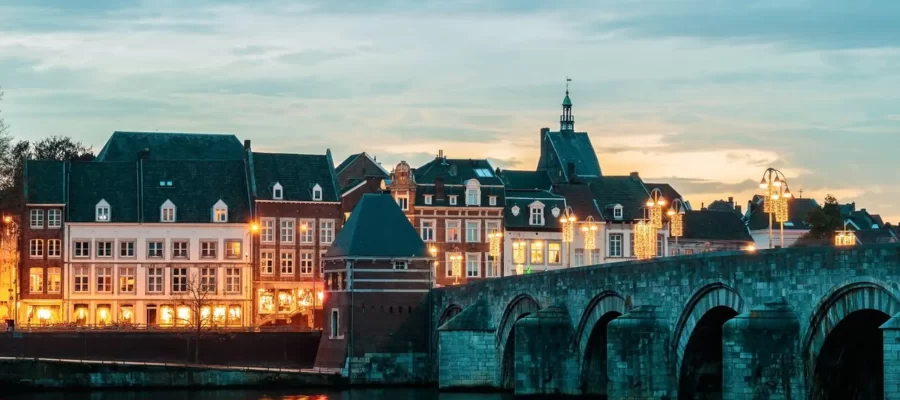
Maastricht is a city located in the southern part of the Netherlands, known for its rich history, unique culture, and picturesque scenery. It is the oldest city in the Netherlands, with a history dating back to Roman times. Maastricht is home to several historic landmarks, including the Basilica of Saint Servatius and the Bonnefanten Museum, which houses a collection of contemporary art. The city is also known for its lively squares, charming cafes, and delicious cuisine, with influences from both Belgium and Germany. Maastricht is situated in the hilly region of Limburg, offering stunning views of the surrounding countryside and access to numerous outdoor activities, such as cycling and hiking. Overall, Maastricht is a charming and vibrant city that combines history, culture, and nature in a unique and unforgettable way.

Groningen

ezgif.com-gif-maker (26)
Image source Google

Groningen is a city located in the northern part of the Netherlands, known for its youthful and lively atmosphere, vibrant cultural scene, and unique architecture. It is the largest city in the northern Netherlands, with a population of approximately 231,000 people. Groningen is home to the University of Groningen, one of the oldest and most prestigious universities in the Netherlands, which gives the city a vibrant and international student community. The city’s historic architecture can be seen in its many churches, museums, and buildings, including the iconic Martinitoren tower. Groningen is also known for its cycling culture, with numerous bike paths and rental services throughout the city. Overall, Groningen is a dynamic and charming city that combines history, culture, and youthfulness in a unique and exciting way.

Top Regions to Visit in the Netherlands

  1. North Holland: This region is home to Amsterdam, the Zaanse Schans, and the Alkmaar Cheese Market.
  2. South Holland: This region is home to The Hague, Rotterdam, and the iconic Kinderdijk windmills.
  3. Zeeland: This region is known for its beautiful beaches, dunes, and seaside resorts.
  4. Friesland: This region is famous for its traditional Frisian culture, picturesque villages, and the Frisian Lakes.
  5. Gelderland: This region is home to the Hoge Veluwe National Park, the Kröller-Müller Museum, and the historic city of Nijmegen.
  6. Limburg: This southern region is known for its rolling hills, vineyards, and historic cities such as Maastricht and Valkenburg.

Top Attractions to Visit in the Netherlands

  1. Keukenhof Gardens: Known as the “Garden of Europe,” Keukenhof is the largest flower garden in the world.
  2. Rijksmuseum: This famous museum in Amsterdam houses over 8,000 works of art, including paintings by Rembrandt, Vermeer, and Van Gogh.
  3. Van Gogh Museum: Dedicated to the works of the famous Dutch artist Vincent van Gogh, this museum in Amsterdam is a must-visit for art lovers.
  4. Anne Frank House: This historic museum in Amsterdam tells the story of Anne Frank and her family, who hid from the Nazis during World War II.
  5. Windmills at Kinderdijk: These 19 windmills in South Holland are a UNESCO World Heritage Site and a symbol of the Netherlands.
  6. Zaanse Schans: This open-air museum near Amsterdam showcases traditional Dutch windmills, houses, and crafts.
  7. The Delta Works: This engineering marvel is a system of dams, sluices, and barriers that protects the Netherlands from flooding.
  8. Hoge Veluwe National Park: This beautiful park in Gelderland is home to forests, heathlands, and wildlife, as well as the Kröller-Müller Museum.

Let us know your requirements. Our experts will curate the perfect itinerary for you.

Our Blogs

The Northern Lights and Outer Space: A Cosmic Connection

The Northern Lights and Outer Space: A Cosmic Connection

The Northern Lights, also known as the Aurora Borealis, is one of nature’s most spectacular light shows. The stunning display of colors is caused by a complex interaction between the Earth’s magnetic field and charged particles from the Sun. However, the connection between the Northern Lights and outer space goes deeper than this simple explanation. In this blog post, we will explore the cosmic connection between the Northern Lights and outer space.

What Causes the Northern Lights?

ezgif.com-gif-maker (15)
Image source Google

The science behind the Northern Lights is fascinating. The Northern Lights are caused by charged particles from the Sun, known as solar wind, colliding with the Earth’s magnetic field. These charged particles interact with the Earth’s atmosphere, causing ionization and the release of energy in the form of light. The different colors of the Northern Lights are caused by the interaction between the charged particles and different gases in the atmosphere.

The Connection to Space

ezgif.com-gif-maker (16)
Image source Google

The Northern Lights are a direct result of the Sun’s activity, making them a unique phenomenon in our solar system. The Sun’s activity, such as sunspots and solar flares, can influence the intensity and frequency of the Northern Lights. This connection has led to extensive research by NASA, which has launched several missions to study the Northern Lights and the Sun’s activity.

The Northern Lights and Space Travel

ezgif.com-gif-maker (17)
Image source Google

The Northern Lights also have an impact on space travel. The charged particles that cause the Northern Lights can interfere with communication systems and damage satellites in orbit. This interference is known as space weather and can be a significant challenge for space travel. Understanding the Northern Lights is essential for mitigating the risks of space weather and ensuring the safety of astronauts in orbit.

The Northern Lights and Culture

ezgif.com-gif-maker (18)
Image source Google

The Northern Lights have been an inspiration for cultures around the world. The indigenous peoples of northern regions have long associated the Northern Lights with spiritual and cultural beliefs. The Northern Lights have also influenced art, literature, and music, creating a cultural connection between humans and the cosmos.

The Future of the Northern Lights and Space Connection

ezgif.com-gif-maker (19)
Image source Google

Ongoing research and technological advancements are continuing to enhance our understanding of the Northern Lights and their connection to outer space. Future missions and collaborations between space agencies will provide more insights into this cosmic connection, further strengthening our understanding of our place in the universe.

Conclusion

The Northern Lights are not just a beautiful natural phenomenon but a direct connection to outer space. The science, culture, and impact of the Northern Lights make it a fascinating subject to explore. We encourage everyone to learn more about the Northern Lights and their connection to outer space and appreciate the cosmic wonders of our universe.

Let us know your requirements. Our experts will curate the perfect itinerary for you.

Our Blogs

Italy for History Buffs: Exploring the Country’s Rich Past

Italy for History Buffs: Exploring the Country's Rich Past

Italy is a country that has a rich and diverse history, with influences from ancient Rome, the Renaissance, the Middle Ages, the Italian unification movement, and World War II. For history buffs, there is a wealth of historical sites and landmarks to explore throughout the country. In this blog, we’ll take a closer look at some of the must-visit historical sites in Italy and their significance to the country’s past.

Ancient Rome

ezgif.com-gif-maker (9)
Image source Google

No discussion of Italy’s history would be complete without mentioning the impact of Ancient Rome. Rome was once the capital of the Roman Empire, which had a profound influence on European civilization. Visitors can explore historical sites such as the Colosseum and the Roman Forum to see first-hand the architectural achievements of the ancient world. Additionally, outside of Rome, the preserved cities of Pompeii and Herculaneum provide an incredible glimpse into daily life during ancient Roman times.

Renaissance Italy

ezgif.com-gif-maker (10)
Image source Google

The Renaissance was a period of intellectual and cultural rebirth that took place in Italy during the 14th to 17th centuries. Florence, in particular, was a center of artistic and intellectual achievement during this time. The Uffizi Gallery is home to an extensive collection of Renaissance art, and the Duomo is a spectacular example of Renaissance architecture. Visitors can also explore Venice, which was an important city during the Renaissance, with sites such as the Doge’s Palace showcasing the wealth and influence of the city.

Medieval Italy

ezgif.com-gif-maker (11)
Image source Google

The Middle Ages in Italy were a time of political and cultural upheaval, with the Byzantine Empire and Italian city-states playing important roles. Venice, with its unique position as a trading city, is a must-visit for history buffs interested in this period. St. Mark’s Basilica is a stunning example of Byzantine architecture, while the Doge’s Palace served as the political center of the Venetian Republic. Other notable medieval sites in Italy include Siena, with its Gothic architecture, and Pisa, home of the iconic Leaning Tower.

Italian Unification

In the 19th century, Italy was divided into a number of independent states. The Risorgimento movement sought to unify these states into a single, independent country. Turin played a critical role in this movement, serving as the first capital of the newly-united Italy. Visitors can explore the Museum of the Risorgimento and the Mole Antonelliana, which now houses the National Museum of Cinema. Caprera Island, where the famous Italian revolutionary Giuseppe Garibaldi lived, is another notable site related to Italian unification.

World War II Italy

ezgif.com-gif-maker (12)
Image source Google

During World War II, Italy was a key battleground for Allied forces fighting against the Axis powers. Visitors can explore historical sites related to the war, such as the Salerno War Cemetery and the Florence American Cemetery, which serve as memorials to the soldiers who fought and died in Italy. The Gothic Line and the Monte Cassino Abbey are other notable sites related to the war, showcasing the challenges and sacrifices made during this period of history.

Conclusion

Italy is a country with a rich and diverse history, and for history buffs, it offers a wealth of historical sites and landmarks to explore. From ancient Rome to the Italian unification movement and World War II, there is something for everyone who is interested in exploring the country’s past. By visiting these sites and landmarks, visitors can gain a deeper understanding of Italy’s history and its impact on the world.


Let us know your requirements. Our experts will curate the perfect itinerary for you.

Our Blogs