The Best Greek Islands for a Relaxing Getaway

The Best Greek Islands for a Relaxing Getaway

Greece is famous for its beautiful islands, and for many travelers, a visit to one or more of these islands is a must-do activity when visiting the country. With so many stunning islands to choose from, it can be tough to decide where to go, especially if you’re looking for a relaxing getaway. In this blog post, we’ll take a look at some of the best Greek islands to visit for a peaceful and rejuvenating vacation.

Santorini

ezgif.com-gif-maker (97)
Image source Google

Santorini is one of the most popular Greek islands and for a good reason. The island is home to beautiful beaches, blue-domed churches, and some of the most stunning sunsets in the world. But beyond the tourist attractions, Santorini is an excellent destination for those looking for a relaxing getaway. With a range of luxury hotels, boutique spas, and wellness retreats, Santorini is perfect for travelers who want to unwind and rejuvenate. Whether it’s a yoga class overlooking the Aegean Sea or a spa day in one of the island’s top wellness centers, there are plenty of ways to relax on this beautiful island.

Milos

ezgif.com-gif-maker (98)
Image source Google

Milos is a lesser-known island in the Cyclades group, but it’s quickly gaining a reputation as a top destination for relaxation. The island is known for its stunning beaches, clear waters, and peaceful atmosphere. Unlike some of the more crowded islands, Milos is quiet and serene, making it the perfect place to get away from it all. The island has a range of accommodations, from luxury villas to boutique hotels, and there are plenty of options for those looking for a quiet, peaceful stay. Whether you want to lounge on the beach all day or take a stroll through one of the island’s charming villages, Milos is an excellent destination for a relaxing getaway.

Corfu

ezgif.com-gif-maker (99)
Image source Google

Corfu is one of the largest Greek islands, and it’s known for its beautiful beaches, historic sites, and vibrant nightlife. But beyond the tourist attractions, Corfu is an excellent destination for relaxation. The island has a range of luxurious hotels, spas, and wellness centers, making it perfect for those looking to unwind. With its warm climate and stunning natural beauty, Corfu is the perfect destination for a rejuvenating vacation. Whether you want to spend your days lounging on the beach, indulging in spa treatments, or exploring the island’s charming villages, there are plenty of ways to relax on Corfu.

Crete

ezgif.com-gif-maker (100)
Image source Google

Crete is the largest Greek island and is home to a diverse range of landscapes, from stunning beaches to rugged mountains. The island is also known for its rich history and culture, with numerous ancient sites and museums to explore. But beyond the tourist attractions, Crete is an excellent destination for relaxation. The island has a range of luxurious hotels and wellness retreats, as well as beautiful beaches and stunning natural scenery. Whether you want to indulge in a spa treatment, take a yoga class, or simply relax on the beach, there are plenty of ways to unwind on this beautiful island.


In conclusion, Greece is home to some of the most beautiful islands in the world, and whether you’re looking for stunning natural scenery, rich culture and history, or just a relaxing getaway, there is an island to suit your needs. From the beautiful beaches of Santorini to the quiet serenity of Milos, the luxurious spas of Corfu to the stunning natural beauty of Crete, there is no shortage of options for those looking for a peaceful and rejuvenating vacation in Greece.

Let us know your requirements. Our experts will curate the perfect itinerary for you.

Discovering the Best Beaches in Greece for Your Next Summer Vacation

Discovering the Best Beaches in Greece for Your Next Summer Vacation

Are you dreaming of a beach vacation where the sun is shining, the water is crystal clear, and the sand is warm and soft? Look no further than Greece, a country known for its stunning coastline and crystal clear waters. With over 227 inhabited islands, Greece offers an abundance of beach destinations to choose from. In this blog post, we’ll guide you through the best beaches in Greece for your next summer vacation.

Ionian Islands

ezgif.com-gif-maker (93)
Image source Google

Let’s start with the Ionian Islands, a group of islands located off the west coast of Greece. The Ionian Islands are known for their lush greenery and turquoise waters, making them a popular beach destination. Corfu is the most popular island in the Ionian group and boasts some of the best beaches in Greece. Paleokastritsa Beach is one of the most famous beaches on the island, with crystal clear waters and stunning scenery. Another top beach on Corfu is Glyfada Beach, which is known for its golden sand and calm waters.

Zakynthos is another popular island in the Ionian group, known for its beautiful beaches. Navagio Beach, also known as Shipwreck Beach, is one of the most famous beaches in Greece. The beach is accessible only by boat, and the crystal clear turquoise waters make it a perfect place to swim and sunbathe. Another top beach on Zakynthos is Gerakas Beach, which is famous for its soft golden sand and crystal clear waters.

Cyclades Islands

ezgif.com-gif-maker (94)
Image source Google

Next, let’s head to the Cyclades Islands, a group of islands located in the Aegean Sea. Mykonos is one of the most popular islands in the Cyclades group, known for its vibrant nightlife and beautiful beaches. Super Paradise Beach is one of the most famous beaches on the island, with its crystal clear turquoise waters and soft golden sand. Another top beach on Mykonos is Paradise Beach, which is known for its parties and fun atmosphere.

Santorini is another popular island in the Cyclades group, known for its stunning scenery and romantic atmosphere. Perissa Beach is one of the most famous beaches on the island, with its black volcanic sand and crystal clear waters. Kamari Beach is another top beach on Santorini, known for its long stretch of black sand and picturesque setting.

Dodecanese Islands

ezgif.com-gif-maker (95)
Image source Google

Now, let’s explore the Dodecanese Islands, a group of islands located in the southeastern Aegean Sea. Rhodes is the most popular island in the Dodecanese group and boasts some of the best beaches in Greece. Lindos Beach is one of the most famous beaches on the island, with its soft golden sand and clear blue waters. Another top beach on Rhodes is Tsambika Beach, known for its long stretch of golden sand and calm waters.

Kos is another popular island in the Dodecanese group, known for its beautiful beaches and ancient ruins. Tigaki Beach is one of the most famous beaches on the island, with its soft golden sand and clear waters. Kefalos Beach is another top beach on Kos, known for its stunning views and crystal clear waters.

Crete

An20For20Times_The20sands20Balos20are20only20boat20by20Parker__MG_4915
Image source Google

Finally, let’s head to Crete, the largest island in Greece and one of the most popular beach destinations. Elafonisi Beach is one of the most famous beaches on the island, with its pink sand and crystal clear turquoise waters. Balos Beach is another top beach on Crete, known for its stunning scenery and crystal clear waters.

Let us know your requirements. Our experts will curate the perfect itinerary for you.

The History and Mythology of Greece: A Fascinating Journey

The History and Mythology of Greece: A Fascinating Journey

Greece is a country with a rich and fascinating history, and its mythology is equally intriguing. From the ancient gods and goddesses to the famous philosophers, there’s no shortage of interesting stories to discover. In this blog post, we’ll take a journey through the history and mythology of Greece, exploring the most famous myths and historical events.

Mythology

ceiling-fresco-Aurora-Guido-Reni-Casino-Rospigliosi
Image source Google

Greek mythology is one of the most fascinating aspects of Greek culture. The Greek gods and goddesses were a central part of daily life, and their stories were used to explain natural phenomena and human behavior. The most famous gods and goddesses include Zeus, Hera, Poseidon, Athena, Apollo, and Aphrodite.

Zeus was the king of the gods and was often depicted with a thunderbolt in his hand. Hera was his wife and the goddess of marriage and family. Poseidon was the god of the sea, and Athena was the goddess of wisdom and warfare. Apollo was the god of music, poetry, and prophecy, while Aphrodite was the goddess of love and beauty.

Each of these gods and goddesses had their own myths associated with them. For example, the myth of Demeter and Persephone explains the changing of the seasons, as Demeter’s grief over her daughter’s disappearance causes the earth to become barren. The story of Apollo and Daphne explains why the laurel tree became associated with victory and poetry, as Apollo pursues Daphne, who is transformed into a laurel tree to escape him.

History

ezgif.com-gif-maker (87)
Image source Google

Greek history is just as fascinating as its mythology. The Bronze Age in Greece saw the rise of the Minoan civilization, which was known for its art and architecture. The city-states of Athens and Sparta rose to power in the Archaic period, and the Persian Wars in the fifth century BCE saw the Greeks successfully repel the invading Persians.

One of the most famous figures in Greek history is Alexander the Great, who conquered much of the known world in the fourth century BCE. His conquests led to the Hellenistic period, which saw the spread of Greek culture and influence across the Mediterranean world.

Philosophy

ezgif.com-gif-maker (88)
Image source Google

Greek philosophy is another important aspect of Greek culture. Famous philosophers such as Socrates, Plato, and Aristotle were all Greek, and their ideas continue to influence Western philosophy to this day.

Socrates believed that the pursuit of knowledge was the most important goal in life, and that true wisdom came from admitting that one did not know everything. Plato believed that there was a world of perfect forms that existed beyond the physical world, and that the role of philosophy was to seek knowledge of these forms. Aristotle believed in the importance of reason and logic, and his work in biology and ethics laid the foundation for Western science and ethics.

Art and Architecture

ezgif.com-gif-maker (89)
Image source Google

Greek art and architecture is some of the most impressive in the world. The Parthenon, located on the Acropolis in Athens, is perhaps the most famous example of Greek architecture. It was built in the fifth century BCE as a temple to the goddess Athena, and its proportions and design have been admired for centuries.

The Temple of Olympian Zeus in Athens is another impressive example of Greek architecture. It was built in the second century CE and was one of the largest temples in the ancient world.

Famous Battles

ezgif.com-gif-maker (90)
Image source Google

Greek history is also marked by famous battles, such as the Battle of Marathon, the Battle of Thermopylae, and the Battle of Salamis. The Battle of Marathon in 490 BCE saw the Greeks successfully repel the invading Persians, while the Battle of Thermopylae in 480 BCE saw the Greeks valiantly defend against a massive Persian invasion.

The Battle of Salamis in 480 BCE was a naval battle between the Greek city-states and the Persian Empire, which resulted in a decisive victory for the Greeks and marked the turning point of the Persian Wars.

Let us know your requirements. Our experts will curate the perfect itinerary for you.

Exploring the Beauty of Greece: A Guide to the Best Destinations

Exploring the Beauty of Greece: A Guide to the Best Destinations

Greece is a country filled with rich history, breathtaking landscapes, and some of the most beautiful destinations in the world. From the bustling city of Athens to the stunning island of Santorini, there’s something for everyone in this incredible country. In this blog post, we’ll provide a guide to the best destinations in Greece, so you can start planning your next adventure.

Athens

ezgif.com-gif-maker (80)
Image source Google

Athens is the capital city of Greece and a must-visit destination for anyone traveling to Greece. The city is steeped in history, and there are plenty of sights to see. The most famous of these is the Acropolis, which is home to the Parthenon, the ancient temple dedicated to the goddess Athena. Other top sights in Athens include the Ancient Agora, the National Archaeological Museum, and the Temple of Olympian Zeus. To avoid the crowds, it’s best to visit these sights early in the morning or later in the afternoon.

Santorini

041ae6b1-0a88-4c22-a648-53a22dd4a006
Image source Google

Santorini is a stunning island located in the Cyclades, and it’s one of the most popular destinations in Greece. The island is known for its white-washed buildings, blue domes, and the beautiful caldera. One of the best things to do in Santorini is to watch the sunset in Oia, which is one of the most beautiful sunsets in the world. Other top activities include visiting wineries, hiking, and relaxing on the beaches.

Crete

ezgif.com-gif-maker (81)
Image source Google

Crete is the largest Greek island, and it’s known for its stunning beaches, ancient ruins, and unique cuisine. One of the top sights in Crete is the Palace of Knossos, which is one of the most important archaeological sites in Greece. The Samaria Gorge is also a popular destination, and it’s one of the longest gorges in Europe. If you’re looking to relax, Crete has some of the most beautiful beaches in Greece, including Elafonisi Beach and Balos Beach.

Mykonos

ezgif.com-gif-maker (82)
Image source Google

Mykonos is a charming island in the Cyclades, and it’s known for its white-washed buildings, windmills, and party scene. One of the best things to do in Mykonos is to visit Little Venice, which is a row of colorful houses that sit right on the water. Mykonos is also home to some of the best beach clubs in Greece, including Scorpios and Nammos. If you’re looking to explore the backstreets of Mykonos, you’ll find plenty of charming shops, cafes, and restaurants.

Meteora

ezgif.com-gif-maker (83)
Image source Google

There are many other activities to enjoy while in theAV Arctic region beyond Aurora watching. Visiting museums, art galleries, and festivals are great ways to experience the local culture and history. One of the most popular festivals is the Kiruna Snow Festival in Sweden, which takes place in January and features snow sculptures, reindeer races, and other winter-themed activities.

Rhodes

ezgif.com-gif-maker (84)
Image source Google

Rhodes is an island located in the southeastern Aegean Sea, and it’s known for its historical significance and the medieval Old Town. The Palace of the Grand Master is one of the top sights in Rhodes, and it’s a must-visit for anyone interested in history. The Old Town is also a UNESCO World Heritage site, and it’s filled with charming streets, cafes, and restaurants. If you’re looking to swim in crystal-clear waters, Rhodes has some of the most beautiful beaches in Greece, including Tsambika Beach and Lindos Beach.

Let us know your requirements. Our experts will curate the perfect itinerary for you.

Northern Lights Activities: Beyond Aurora Watching

Northern Lights Activities: Beyond Aurora Watching

The Northern Lights, also known as the Aurora Borealis, are a breathtaking natural phenomenon that attracts tourists from all over the world. While the main attraction of a Northern Lights trip is undoubtedly the chance to witness the stunning light show, there are many other activities to enjoy in the area. In this blog, we’ll explore some of the best Northern Lights activities beyond Aurora watching.

Outdoor Activities

senja-norway-hgr-146868_1920-photo_shutterstock
Image source Google

The Arctic region where the Northern Lights are visible offers a range of outdoor activities for adventure-seekers. Dog sledding is a popular option, allowing visitors to experience the stunning scenery while gliding across the snow. Snowmobiling and skiing are also great ways to explore the winter landscape, with numerous ski resorts and trails to choose from. For beginners, there are plenty of guides and instructors available to provide a safe and enjoyable experience.

Cultural Activities

Picture2-2
Image source Google

The Arctic region is also home to indigenous communities with rich cultures and traditions. Visitors can experience unique cultural activities such as visiting traditional villages or attending cultural events. It’s important to approach these experiences with respect and cultural sensitivity, as these communities are often marginalized and at risk of losing their cultural heritage.

Natural Attractions

ezgif.com-gif-maker (66)
Image source Google

The Arctic region offers a wealth of natural attractions beyond the Northern Lights. Hot springs, glaciers, and national parks are just a few of the highlights. The Blue Lagoon in Iceland is a popular destination, offering a relaxing soak in naturally heated waters surrounded by stunning scenery. Glacier hiking and ice cave exploration are also popular activities for adventurous travelers.

Culinary Experiences

ezgif.com-gif-maker (67)
Image source Google

The local cuisine of the Arctic region is a must-try for food enthusiasts. Unique ingredients and dishes such as reindeer, whale, and Arctic char are just a few of the offerings. Visitors can also indulge in local cheeses, bread, and desserts. Exploring local cuisine is a great way to experience the culture and heritage of the region.

Other Activities

ezgif.com-gif-maker (68)
Image source Google

There are many other activities to enjoy while in the Arctic region beyond Aurora watching. Visiting museums, art galleries, and festivals are great ways to experience the local culture and history. One of the most popular festivals is the Kiruna Snow Festival in Sweden, which takes place in January and features snow sculptures, reindeer races, and other winter-themed activities.

Conclusion

While witnessing the Northern Lights is undoubtedly a once-in-a-lifetime experience, there are many other activities to enjoy in the Arctic region. From outdoor adventures to cultural experiences, culinary delights to natural attractions, the Arctic region has something for everyone. By exploring these other activities, visitors can create a well-rounded and unforgettable Northern Lights trip.

Let us know your requirements. Our experts will curate the perfect itinerary for you.

When to See the Northern Lights: The Best Time of Year to Catch the Aurora

When to See the Northern Lights: The Best Time of Year to Catch the Aurora

The Northern Lights, also known as Aurora Borealis, are one of nature’s most spectacular phenomena. The glowing, dancing colors that light up the sky are a must-see for anyone looking for an unforgettable experience. But when is the best time of year to see the Northern Lights? In this blog, we’ll explore the best time of year to catch the Aurora Borealis and how to plan your own Northern Lights trip.

Understanding the Northern Lights

senja-norway-hgr-146868_1920-photo_shutterstock
Image source Google

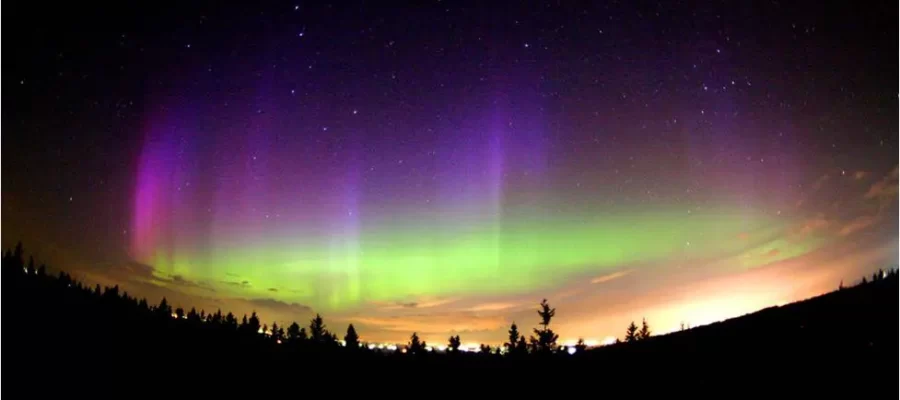
The Northern Lights are caused by charged particles from the sun colliding with the Earth’s atmosphere. These particles create the glowing colors that we see in the sky. The Northern Lights can be seen year-round but are most visible during the winter months due to the longer nights and clearer skies. The best places to see the Northern Lights are in the northern regions of Norway, Sweden, Finland, and Iceland.

The Best Time of Year to See the Northern Lights

ezgif.com-gif-maker (65)
Image source Google

The best time of year to see the Northern Lights is during the months of January, February, and March. These months have long, dark nights and clear skies, making it easier to see the Aurora Borealis. Additionally, these months also have the highest levels of geomagnetic activity, which means that the Northern Lights are more likely to appear.

Other times of the year can also offer Northern Lights viewing opportunities, but they may not be as reliable or as intense as during the winter months. In the fall and spring, there may be more daylight hours, making it harder to see the Northern Lights. During the summer months, the Arctic region experiences the midnight sun, which means that the sun never sets, making it impossible to see the Northern Lights.

How to Plan a Northern Lights Trip

Picture2-2
Image source Google

Planning a Northern Lights trip requires careful consideration of several factors. Firstly, choose the right location based on the time of year you plan to travel. Secondly, book your accommodations and transportation in advance, as Northern Lights tourism is very popular, and availability can be limited. Finally, pack the right gear, including warm clothing, sturdy boots, and a camera.

It’s also important to choose a reliable tour operator or guide who knows the best viewing spots and can help you make the most of your Northern Lights experience. Additionally, plan other activities to enjoy while you’re chasing the Northern Lights, such as dog sledding or skiing.

Other Factors to Consider

ezgif.com-gif-maker (15)
Image source Google

While the best time of year to see the Northern Lights is during the winter months, there are other factors to consider. Moon phases can affect Northern Lights visibility, as a full moon can make the sky too bright to see the Aurora Borealis. Additionally, weather conditions and light pollution can also affect Northern Lights viewing. To maximize your chances of seeing the Northern Lights, find a dark location with minimal light pollution and clear skies.

Conclusion

The Northern Lights are a natural wonder that everyone should experience at least once in their lifetime. The best time of year to see the Northern Lights is during the winter months, but other factors, such as moon phases and light pollution, should also be considered. By planning ahead and choosing the right location, accommodations, and activities, you can make the most of your Northern Lights trip and have an unforgettable experience.

Let us know your requirements. Our experts will curate the perfect itinerary for you.

Chasing the Northern Lights: A Once-in-a-Lifetime Experience

Chasing the Northern Lights: A Once-in-a-Lifetime Experience

If you’ve ever dreamed of witnessing one of nature’s most awe-inspiring phenomena, the Northern Lights, you’re not alone. Every year, thousands of people from around the world travel to the Arctic Circle to witness the dance of the Aurora Borealis, a once-in-a-lifetime experience that is both mesmerizing and unforgettable.

In this blog, we’ll take a closer look at what makes the Northern Lights so special and why you should consider chasing them. We’ll also provide you with some tips and tricks for capturing stunning photos of the Aurora Borealis.

Understanding the Northern Lights

senja-norway-hgr-146868_1920-photo_shutterstock
Image source Google

The Northern Lights, also known as Aurora Borealis, are a natural light display that occurs in the polar regions. They are caused by the interaction between charged particles from the sun and the Earth’s magnetic field. The colors and shapes of the Northern Lights vary depending on the type of particles and altitude of the aurora.

The best time to witness the Northern Lights is during the winter months when the sky is dark and clear. The best places to see them are in the northern regions of Norway, Sweden, Finland, and Iceland.

Preparing for the Trip

Picture2-2
Image source Google

Before embarking on a Northern Lights trip, it’s important to make necessary preparations. These include choosing the right time and location, packing the right gear, and booking the right accommodations.

It’s essential to pack warm clothes, sturdy boots, and gloves, as temperatures can drop to below freezing. Other useful items to pack include a headlamp, a camera, and extra batteries. You may also need to rent a car or hire a guide to take you to the best viewing spots.

Experiencing the Northern Lights

ezgif.com-gif-maker (66)
Image source Google

The experience of witnessing the Northern Lights is nothing short of magical. The sky lights up with shimmering colors of green, pink, and purple, and the silence is only broken by the sound of your breath. It’s a once-in-a-lifetime experience that leaves a lasting impression on your mind and soul.

During your trip, you can also participate in other activities such as snowmobiling, dog sledding, or skiing. You can also visit local villages and learn about the indigenous cultures of the Arctic.

Capturing the Northern Lights

ezgif.com-gif-maker (67)
Image source Google

Capturing the Northern Lights on camera can be challenging, but with the right technique and equipment, you can take stunning photos that will last a lifetime. It’s important to use a tripod to keep your camera steady, use manual focus, and experiment with different shutter speeds and ISO settings.

You’ll also need to be patient, as the Northern Lights can be unpredictable and may disappear at any moment.

The Impact of Climate Change on Northern Lights

ezgif.com-gif-maker (68)
Image source Google

Unfortunately, climate change is affecting the Northern Lights. The increase in temperature is causing the Arctic ice to melt, which can affect the strength and frequency of the Northern Lights. It’s essential to take steps to reduce your carbon footprint while on your Northern Lights trip, such as using eco-friendly transportation and accommodations.

Conclusion

Chasing the Northern Lights is an adventure of a lifetime that should be on everyone’s bucket list. The experience of witnessing the Aurora Borealis is magical and unforgettable, leaving a lasting impression on your mind and soul. With proper preparations and equipment, you can also capture stunning photos that you can cherish for a lifetime.

However, it’s also essential to remember the impact of climate change on the Northern Lights and take steps to reduce your carbon footprint while on your trip. Let’s preserve this natural wonder for future generations to enjoy.

Let us know your requirements. Our experts will curate the perfect itinerary for you.

The Best Dutch Water Sports: From Sailing to Surfing

The Best Dutch Water Sports: From Sailing to Surfing

The Netherlands is a country that is famous for its water sports. With over a quarter of the country lying below sea level, it’s no wonder that Dutch people have become experts in water-based activities. Whether you’re looking to sail, windsurf, kiteboard, stand-up paddleboard, or surf, there are plenty of fantastic options in the Netherlands. In this blog post, we will explore the best Dutch water sports, from sailing to surfing.

Sailing

ezgif.com-gif-maker (60)
Image source Google

Sailing is one of the most popular water sports in the Netherlands. With over 6,000 kilometers of coastline and countless lakes and rivers, there are plenty of excellent sailing locations in the country. Some of the best places to sail in the Netherlands include the IJsselmeer, the Wadden Sea, and the Zeeland waters. Sailing boats in the Netherlands range from small dinghies to large yachts, and there are plenty of sailing classes and courses available for all levels of experience.

Windsurfing

ezgif.com-gif-maker (61)
Image source Google

Windsurfing is another popular water sport in the Netherlands. The country’s flat landscapes and windy climate make it an ideal location for windsurfing enthusiasts. Some of the best places to windsurf in the Netherlands include Scheveningen, Brouwersdam, and Ouddorp. These locations offer ideal conditions for both beginners and experienced surfers.

Kiteboarding

ezgif.com-gif-maker (62)
Image source Google

Kiteboarding is a relatively new water sport in the Netherlands, but it has become very popular in recent years. The country’s beaches and strong winds make it an excellent location for kiteboarding enthusiasts. Some of the best kiteboarding locations in the Netherlands include the North Sea coast, IJsselmeer, and Grevelingen. There are plenty of kiteboarding schools and courses available in these locations for those looking to try this exciting sport.

Stand-Up Paddleboarding (SUP)

ezgif.com-gif-maker (63)
Image source Google

Stand-Up Paddleboarding (SUP) is a relatively new water sport in the Netherlands but has quickly gained popularity in recent years. The country’s numerous canals, lakes, and rivers offer the perfect location for this sport. Some of the best places to SUP in the Netherlands include the Amsterdam canals, Utrecht’s canals, and the Vecht river. Stand-up paddleboarding is an excellent way to explore the Dutch waterways while enjoying a great workout.

Surfing

ezgif.com-gif-maker (64)
Image source Google

Surfing may not be the first water sport that comes to mind when thinking of the Netherlands, but the country’s North Sea coast offers excellent surf conditions for both beginners and experienced surfers. Some of the best surfing locations in the Netherlands include Scheveningen, Zandvoort, and Texel. Dutch surf culture is also thriving, with plenty of surf schools and surf camps available for those looking to try this exciting sport.

Conclusion

In conclusion, the Netherlands is a fantastic destination for water sports enthusiasts, with plenty of options available for all levels of experience. Whether you’re looking to sail, windsurf, kiteboard, stand-up paddleboard, or surf, there are plenty of excellent locations in the country to explore. So, grab your wetsuit, pick your favorite water sport, and head to the Netherlands for an unforgettable experience on the water.

Let us know your requirements. Our experts will curate the perfect itinerary for you.

The Best Markets in the Netherlands: From Flea Markets to Farmers’ Markets

The Best Markets in the Netherlands: From Flea Markets to Farmers' Markets

The Netherlands is famous for its vibrant market culture, and there is no better way to experience the country’s local life than by exploring its markets. From flea markets to farmers’ markets, street markets to specialty markets, there is something for everyone. Here’s our guide to the best markets in the Netherlands.

Flea Markets

ezgif.com-gif-maker (53)
Image source Google

Flea markets are popular in the Netherlands, and they are a great place to find unique vintage items and second-hand goods. The Waterlooplein Market in Amsterdam is one of the most popular flea markets in the country. Here, you can find everything from vintage clothing to antiques, books, and even musical instruments. Another popular flea market in Amsterdam is the IJ-Hallen. This market takes place once a month and is the largest flea market in Europe, with over 750 stands.

If you’re looking for a unique shopping experience, head to the Vrijmarkt in Utrecht. This flea market takes place on King’s Day, which is celebrated every year on April 27th. During this day, people sell their second-hand goods on the streets, creating a massive market that stretches throughout the city.

Farmers' Markets

ezgif.com-gif-maker (54)
Image source Google

Farmers’ markets are another staple of Dutch culture. These markets sell locally sourced produce, including fresh fruits and vegetables, bread, cheese, and meat. Noordermarkt in Amsterdam is one of the best farmers’ markets in the country. Here, you can find a wide range of organic products, including fresh fruits and vegetables, bread, cheese, and meat. The market takes place every Saturday, and it’s the perfect place to stock up on delicious local produce.

Another great farmers’ market is the Rotterdamse Oogst, which takes place on the first Saturday of every month in Rotterdam. This market has a fantastic range of fresh produce, including vegetables, fruit, dairy, and meat. It also has a range of street food stalls and live music.

Specialty Markets

ezgif.com-gif-maker (55)
Image source Google

The Netherlands is also home to some fantastic specialty markets, where you can find unique products that you won’t find anywhere else. The Albert Cuypmarkt in Amsterdam is one such market. It’s a bustling street market that sells everything from clothing to flowers, jewelry, and food. It’s a great place to pick up souvenirs and gifts to take home with you.

If you’re a fan of flowers, the Bloemenmarkt in Amsterdam is a must-visit. This floating flower market is located on the Singel Canal and sells a wide range of flowers and plants. It’s the perfect place to pick up a bouquet of fresh flowers to brighten up your day.

Cheese lovers won’t want to miss the Cheese Market in Alkmaar. This market takes place every Friday during the summer months and is a celebration of all things cheese. You can watch cheese-making demonstrations and sample different types of cheese.

Street Markets

ezgif.com-gif-maker (57)
Image source Google

Street markets are another essential part of Dutch culture, and they’re a great place to soak up the atmosphere and see the locals going about their daily lives. The Dappermarkt in Amsterdam is one of the best street markets in the country. It’s a multicultural market that sells a wide range of products, including clothing, food, and household goods.

If you’re visiting Maastricht, be sure to check out the Markt. This market takes place every Wednesday and Friday and is located in the historic town center. It’s a great place to buy fresh produce and local specialties.

Finally, the Grote Markt in Groningen is another must-visit street market. This market takes place every Tuesday, Friday, and Saturday and is located in the heart of the city. It’s a bustling market that sells everything from clothing to food, flowers, and souvenirs. It’s the perfect place to soak up the atmosphere and experience the local culture.

In conclusion, the Netherlands is a country with a rich market culture, and exploring its markets is a fantastic way to experience local life. Whether you’re looking for vintage clothing, fresh produce, or unique souvenirs, there is a market in the Netherlands for you. So, put on your walking shoes and get ready to explore the best markets in the country!

Let us know your requirements. Our experts will curate the perfect itinerary for you.

Dutch Architecture: From Traditional to Modern

Dutch Architecture: From Traditional to Modern

The Netherlands is known for its rich history and cultural heritage, and its architecture reflects that. From traditional buildings to modern structures, Dutch architecture has evolved over the centuries, showcasing various styles and influences. In this blog, we will take a journey through Dutch architecture, exploring its evolution from traditional to modern.

ezgif.com-gif-maker (47)
Image source Google

Traditional Dutch Architecture:


Traditional Dutch architecture is characterized by simple and functional designs, reflecting the country’s practical nature. This style features steep gabled roofs, large windows, and brick facades. Examples of traditional Dutch buildings include the 17th-century Canal Houses in Amsterdam and the Dutch farmhouses found throughout the countryside.

ezgif.com-gif-maker (48)
Image source Google

Dutch Renaissance Architecture:


The Dutch Renaissance style was prevalent during the 16th and 17th centuries, and it drew inspiration from Italian Renaissance architecture. This style is characterized by ornate facades, tall windows, and intricate carvings. Examples of Dutch Renaissance architecture include the Royal Palace in Amsterdam and the Town Hall in Middelburg.

ezgif.com-gif-maker (49)
Image source Google

Dutch Baroque Architecture:


The Dutch Baroque style emerged in the 17th century and is characterized by its grandeur and opulence. This style is characterized by its elaborate ornamentation, dramatic use of light and shadow, and curves and twists in its design. Examples of Dutch Baroque architecture include the Royal Palace in The Hague and the Amsterdam City Hall.

ezgif.com-gif-maker (50)
Image source Google

Modern Dutch Architecture:


Modern Dutch architecture is characterized by its innovative designs and use of new materials and technology. The style emphasizes functionality and simplicity, with a focus on sustainability and environmental friendliness. Examples of modern Dutch architecture include the Rotterdam Market Hall and the Ziggo Dome in Amsterdam.

In conclusion, Dutch architecture is a reflection of the country’s rich history and culture, with each style showcasing different influences and characteristics. From traditional buildings to modern structures, Dutch architecture has evolved over time, reflecting the country’s practicality, grandeur, and innovation. Whether you’re a history buff, an architecture enthusiast, or simply curious about Dutch culture, exploring Dutch architecture is a must-do experience. So, take a walk around the cities or countryside, and appreciate the beauty and diversity of Dutch architecture.

Let us know your requirements. Our experts will curate the perfect itinerary for you.